

Tunnel Containers
A tunnel is an underground passageway that runs horizontally. They are used for a variety of reasons like road vehicles, railways, subways, and trams.
Tunnel containers have double cargo doors at both ends allowing easy access to the items inside. They can also be divided to create two storage units in one container.
The dux cross-platform CLI from Omnissa simplifies the management of lifecycles of tunnel gateways as easy as possible. Patching is made easier by decoupling between the application and the host OS.
Versatility
Contrary to conventional shipping containers which only have one access point, tunnel containers have doors on both ends. This allows for a host of new possibilities for storage users.
Tunnel containers are an excellent option to store awkward or bulky items that may need access from both ends like seasonal stock. The dual entry makes it easier to work from if you are loading or unloading cargo in busy transport hubs. Double doors make tunnel containers that are ideal for self-storage containers because they can be easily divided in the middle into two smaller storage units.
Another advantage of tunnel containers is that they can be equipped with a range of accessories to enhance their versatility, including interior lighting or insulation. They can be utilized in various ways, from mobile retail spaces, pop-up shops, warehouses and distribution centers. They can also be equipped with climate-control systems that ensure certain levels of humidity and temperatures for perishable goods.
Tunnel containers are popular for their versatility and temporary use on construction sites. They can be used to store construction equipment, tools, materials and machinery. They can also be outfitted with a turnstile or manual security checkpoint to manage the movement of people through the construction site.
Furthermore they can be equipped with a power supply and lighting to be used as an office or workshop. They are also an economical solution for providing a temporary office in an emergency situation.
In recent times, tunnel containers have also been used to create different artistic installations. For instance The Journey installation was constructed using seven tunnel containers to deliver a harrowing visual and sensory experience that highlighted the gritty human trafficking. In addition, tunnel containers were used to create a dramatic experience dubbed 'The Crash of the Elysium'. In this immersive experience guests walked through various tunnel containers to experience the full impact of the catastrophic event.
Easy Access
The most versatile kind of shipping container is the tunnel container. They have standard double doors on both walls that means they can be accessed from either end. This is a huge advantage for those seeking to use their shipping container for a specific project. They also offer more storage space than other shipping containers.
The versatility of tunnel containers is what makes them a popular choice for conversion projects. They can be converted into offices, homes, or personal spaces. They can even be used as bridges or tunnels for construction projects. These containers are constructed of durable materials and can be adapted to meet your specific needs.
They are also ideal to store heavy equipment and machinery. Many businesses have turned shipping containers into offices, boiler rooms, and even water treatment plants. One of the biggest benefits of using shipping containers is that it can be easily moved from one location to another. This is especially beneficial when you work in remote areas.
Shipping containers are a great way to store machinery for plant use since they can be equipped with CSC plates. This is a requirement for shipping international cargo, and it shows that the container has been certified by the CSC to meet industry standards. This is crucial because it guarantees that the container is safe for transportation.
When you're using a Tunnel server you'll need to know which hosts are set up to support it. Dux can be used to get the list of hosts. This tool is free and accessible on macOS and Linux. It allows you manage and deploy Tunnel gateway containers by using the command-line interface.
The first step is running dux on the server which hosts the Tunnel gateway container deployment. Then, you can create an "tunnel.config file" in the container directory. This file will contain information about the host's configuration, as well as port information. The file will also contain the tunnel exit.
The next step is to copy the tunnel_snap bundle from the containers that were deployed to the local machine. To accomplish this, you need to use the command -v. This will stream the output of docker logs from the Tunnel server container deployed till the action is canceled. You can also specify the Tunnel server port number by using the -p option.
Durability
It is important to consider the durability of tunnel containers. They are designed to withstand harsh conditions such as rain or even snow. Additionally, they have locking rods that stop theft and ensure that cargo is safe and safe. These containers are perfect for businesses who need to store sensitive equipment or goods in an area that is remote. They are also easy to maintain and clean. These containers are a great option for businesses who need to transport equipment to different locations.
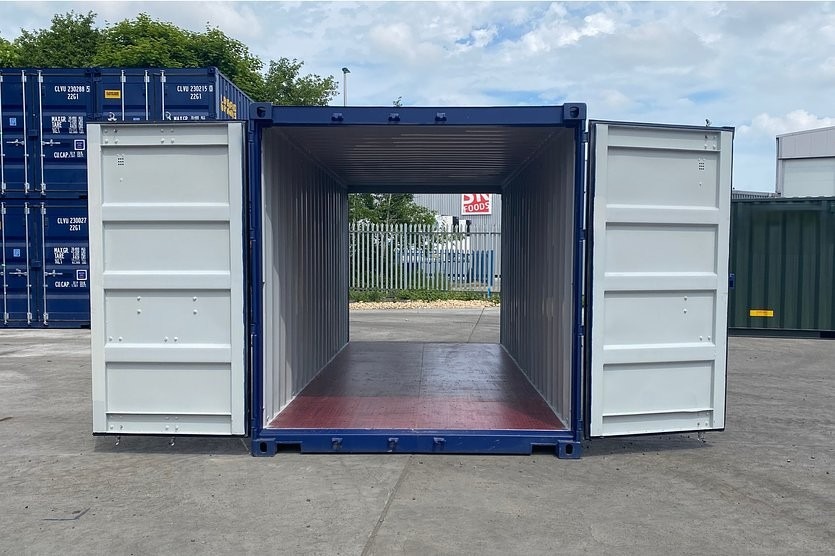
Double doors on both ends are a distinctive characteristic of the container tunnel . They can be accessed from either side, which is useful when loading and unloading cargo. They are also able to be used for storage. Many self-storage facilities break them into smaller storage units.
Containers Direct offers both new tunnel shipping containers for one-way trips and used containers that have been refurbished. They're available in a variety of sizes and are certified by CSC for international freight shipping. These containers for shipping can be used to create a unique and customized space for your business or home. They can be turned into a kitchen or bathroom.
Tunnel containers are an ideal solution for projects requiring access from both sides. They can be loaded from the side walls or at a central point making them a good option for construction sites. They can be fitted with a turntile or a security checkpoints for entry to ensure security on the site.
If you're planning to purchase containers, it's best to select one that's been repaired or is in good shape. This will help ensure that it lasts for an extended time. Also, be sure to put it on a surface of gravel or concrete to lessen the stress on the joints. It is also a good idea to have it inspected regularly for signs of damage from moisture. Regular cleaning and maintenance will ensure that your container looks great for many years to come.
Security
Tunnel containers provide security measures that are typically not available for conversions of shipping containers. They feature double doors at both ends and a steel frame, making them less vulnerable to attacks such as drilling or cutting than standard containers. They are an excellent choice for storage. They can be modified to include an alarm system, which will alert you if someone attempts to break in. The alarm system can deter thieves from trying to gain access to your storage container, especially if it is visible and emits a loud sound.
While more people are securing their shipping containers with technology, it should not be relied on as the sole security measure. Using only technology could leave you at risk of hacking which is a constant issue for a lot of companies. Hackers can access containers in a variety of ways. The best way to stop this from happening is to use a multi-faceted approach that uses both physical and environmental security.
The Omnissa Workspace ONE team has updated its container deployment options, replacing the standalone Linux Tunnel installer with a new method that provides significant security and orchestration enhancements. The new method allows the deployment of the secure container-based version the Tunnel Gateway service on any server that has Docker installed. This removes the requirement to use RPM installers or artifacts that are susceptible to attack vectors.
A common vulnerability in container deployments is the use of unpatched, unrestricted image repository. This can create an attack surface which is amplified when the image is used on multiple machines. This vulnerability can be mitigated by several different methods by looking at images to find known vulnerabilities and using the principle of least priviledge by only allowing connectivity between containers that require it.
A tunnel container can be used to enhance security of the site by creating a turnstile, or a manually-operated checkpoint when users leave or enter the facility. It can also be fitted with CCTV cameras to record and monitor any attempted breaches. It could also be used to store a mobile payment point or other items of high value that require greater security than standard shipping containers.